For the first time, a full live football match was produced using five AI-operated cameras and only one manned camera — marking another important milestone in the evolution of live sports production.
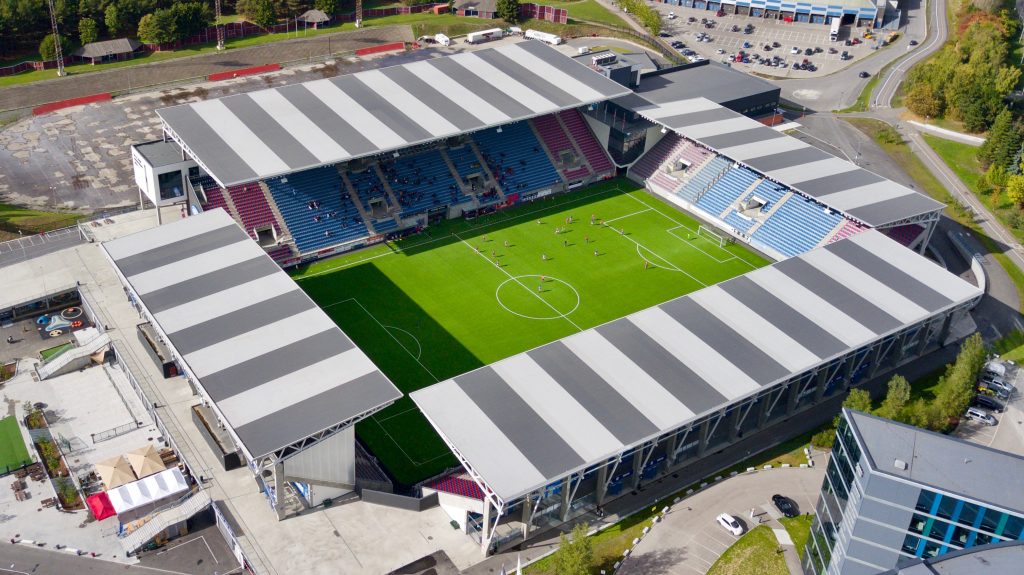
On Friday night, the women’s match between Vålerenga Fotball and Molde FK was aired live on TV2 Play from Infinity Arena in Oslo. The main camera, both behind-goal cameras, and the two 16-meter cameras were all fully operated by AI software developed by Studio Automated.
The production is another clear example of how AI is moving from experimental workflows into fully operational broadcast environments.
Sportway has for several years been driving the development of AI-based live sports production across Europe, with extensive experience from AI multicam productions in ice hockey in Sweden, Denmark, and France. The company has already delivered large-scale automated productions ranging from grassroots coverage to professional league broadcasts, and is now accelerating the development towards full premium broadcast workflows together with key partners in the broadcast industry.
DMC Production in Norway has played an important role in adapting and refining the technology for professional broadcast requirements. The collaboration between DMC Production, Studio Automated, broadcasters, and Sportway has been instrumental in bringing full broadcast functionality into the AI environment.
In April, it was announced that Sportway together with Broadcast Solutions acquired Studio Automated. Together, the companies are building a complete AI-powered production ecosystem — from high-end broadcast productions to scalable and cost-efficient coverage of grassroots and long-tail sports.
Daniel Franck commented:
“We are thrilled to drive the future of live sport production together with our partners in the broadcast industry. There are very many untapped use cases for the unique AI algorithms that Studio Automated bring to the table.”
The combination of AI-operated multicam workflows, remote production, and software-based infrastructure has the potential to fundamentally reshape the economics and scalability of live sports production in the years ahead.